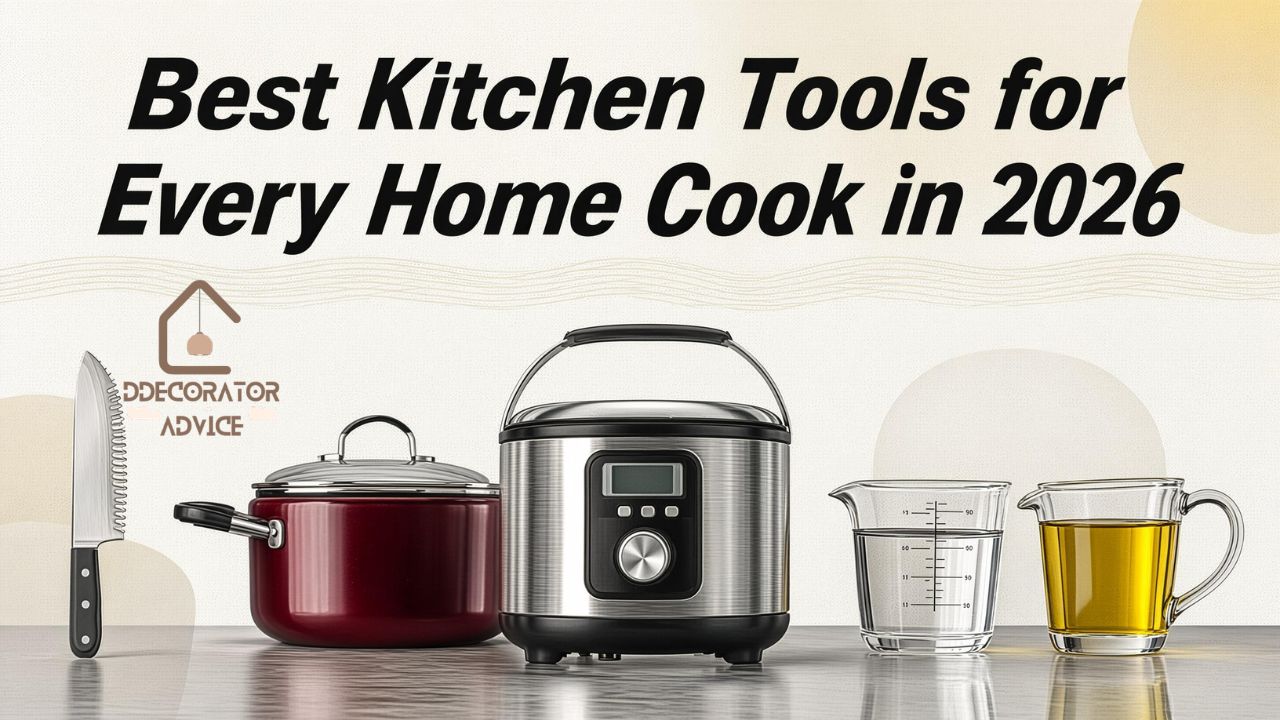
Cooking should feel exciting—not exhausting. Yet without the right kitchen tools, even a simple dinner can turn into a frustrating chore. Whether you’re slicing vegetables, baking bread, or preparing a weekend feast, the equipment you use makes all the difference.
The truth is, quality kitchen tools save time, reduce stress, and actually make food taste better. From sharp knives to versatile cookware, having the right setup transforms your kitchen into a creative space rather than a chaotic one. If you’ve ever struggled with dull blades or flimsy utensils, you already know how important this topic is.
In this guide, we’ll explore the must-have essentials, smart upgrades, and professional insights that help you cook confidently. Think of it as advice from a friend who has tested everything—and wants you to avoid wasting money on the wrong gear.
Table of Contents
- Essential Kitchen Tools Every Home Needs
- Cutting & Prep Kitchen Tools That Save Time
- Cooking & Baking Essentials
- Smart and Modern Kitchen Tools
- Budget vs Premium: What’s Worth the Investment?
- Personal Background: How Professional Chefs Choose Tools
- How to Organize and Maintain Your Kitchen Tools
- Frequently Asked Questions
- Conclusion
Essential Kitchen Tools Every Home Needs
Before diving into advanced gadgets, let’s talk about the foundation. No matter your skill level, certain items belong in every kitchen.
The Chef’s Knife: Your Most Important Tool


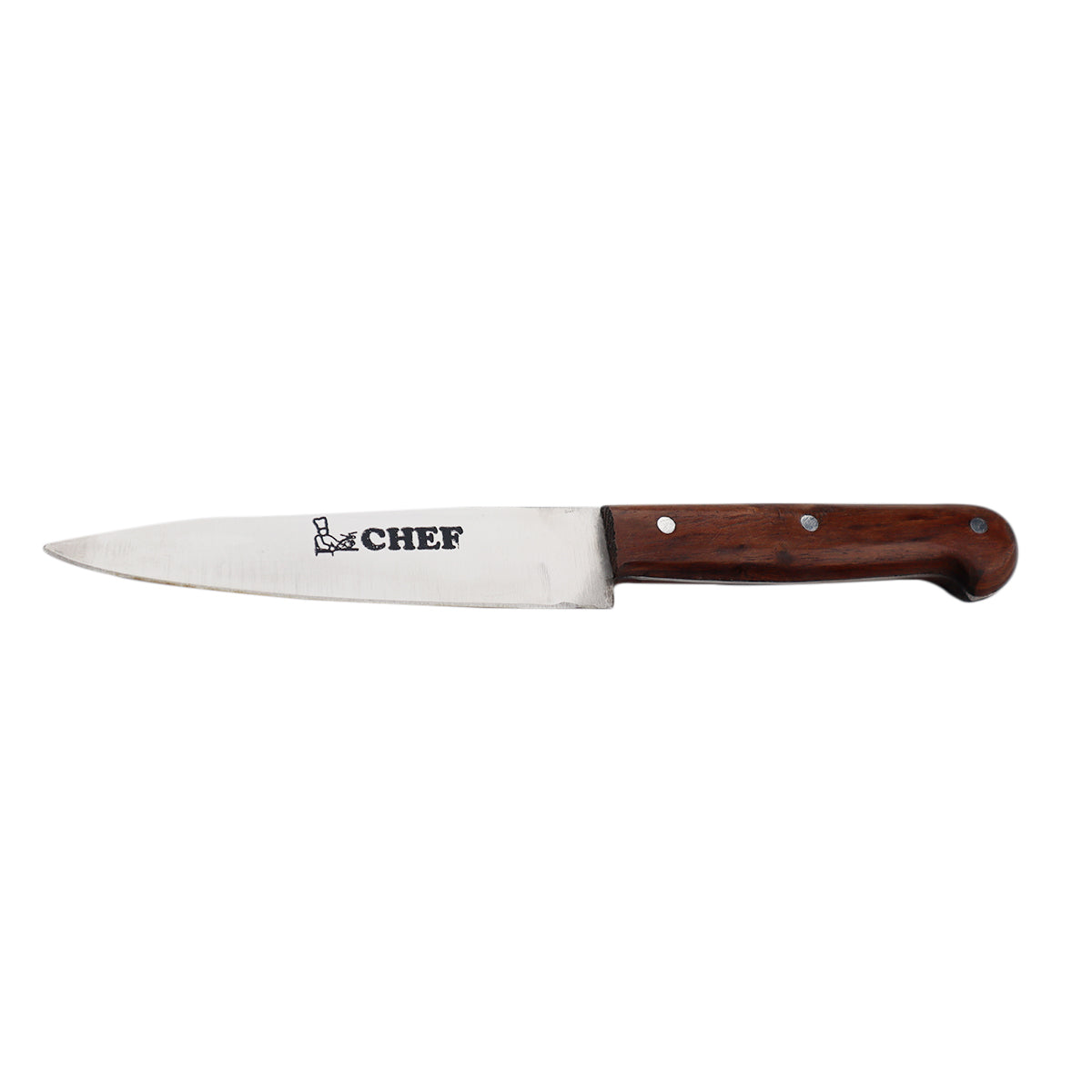
If you invest in only one high-quality item, make it a chef’s knife. A sharp 8-inch blade can handle 80–90% of cutting tasks, from dicing onions to slicing meat.
A dull knife is actually more dangerous because it slips. Look for:
- High-carbon stainless steel
- Comfortable ergonomic handle
- Balanced weight
Professional chefs often say they would rather have one excellent knife than ten mediocre ones.
Cutting Board
Choose wood or BPA-free plastic. Wood boards are gentle on blades, while plastic boards are easier to sanitize. Ideally, keep separate boards for meat and vegetables to prevent cross-contamination.
Measuring Cups & Spoons
Precision matters, especially in baking. Stainless steel sets last longer and resist warping.
Mixing Bowls
Stainless steel bowls are lightweight, durable, and non-reactive. They nest for easy storage—a small detail that makes a big difference in organized kitchens.
Basic Utensils
Every kitchen should include:
- Silicone spatula
- Tongs
- Whisk
- Ladle
- Wooden spoon
- These simple kitchen tools support almost every recipe you’ll ever cook.
Cutting & Prep Kitchen Tools That Save Time
Preparation often takes longer than cooking itself. The right tools reduce effort dramatically.
Vegetable Peeler
A Y-shaped peeler works faster and wastes less produce. It’s small but mighty.
Mandoline Slicer


Perfect for uniform slices—think potato chips or cucumber salads. Always use the safety guard.
Food Processor
This multi-functional machine chops, grates, blends, and kneads dough. For busy families, it’s a game-changer.
Garlic Press
Some love it, others prefer a knife. But if you cook often, it saves time and keeps hands odor-free.
Digital Kitchen Scale
Baking without a scale is guesswork. Many professional bakers rely on weight rather than volume for consistent results.
Cooking & Baking Essentials
Once prep is done, cookware takes center stage.
Non-Stick Skillet
Ideal for eggs, pancakes, and delicate fish. Avoid metal utensils to preserve coating.
Stainless Steel Pan
Excellent for searing and deglazing. It creates flavorful browned bits—called fond—that elevate sauces.
Cast Iron Skillet


A properly seasoned cast iron pan can last generations. It retains heat beautifully and works on stovetops and ovens alike.
Saucepan
Essential for soups, sauces, grains, and reheating leftovers.
Baking Sheet & Parchment Paper
Sheet pans aren’t just for cookies. Roast vegetables, toast nuts, or bake salmon—all on one tray.
Stand Mixer
While not mandatory, serious bakers consider it one of the most transformative kitchen tools for dough and batter preparation.
Smart and Modern Kitchen Tools
Technology has entered the kitchen—and some innovations genuinely improve cooking.
Air Fryer
Uses rapid air circulation to create crispy textures with minimal oil. It’s energy-efficient and perfect for quick meals.
Instant-Read Thermometer
Undercooked chicken? Overcooked steak? A thermometer removes guesswork. Food safety organizations recommend cooking poultry to 165°F (74°C).
Immersion Blender
Blend soups directly in the pot. Less mess, fewer dishes.
Smart Kitchen Scale Apps
Some scales connect to apps, providing guided recipes and nutritional tracking—ideal for meal prep enthusiasts.
Budget vs Premium: What’s Worth the Investment?
Not all kitchen tools require a premium price tag. However, certain items deserve investment.
Worth Splurging On
- Chef’s knife
- Cookware set
- Stand mixer (if baking frequently)
- Food processor
Safe to Buy Budget
- Measuring spoons
- Spatulas
- Whisks
- Storage containers
In reality, smart spending matters more than high spending. Focus on performance, not brand hype.
Personal Background: How Professional Chefs Choose Tools
While kitchen equipment doesn’t revolve around a single celebrity, it’s helpful to understand how professionals approach buying decisions.
Professional chefs typically:
- Test grip comfort for hours of use
- Evaluate blade sharpness and edge retention
- Compare heat conductivity in pans
- Consider lifetime durability
Many culinary graduates spend thousands of dollars building their kit over time. A professional chef’s personal toolkit can cost anywhere from $3,000 to $10,000, depending on specialization.
However, home cooks don’t need that level of investment. Thoughtful selection of high-performing kitchen tools often costs under $1,000 total and can last a decade or more.
How to Organize and Maintain Your Kitchen Tools
Great equipment deserves proper care.
Knife Maintenance
- Use a honing rod weekly
- Sharpen professionally once or twice a year
- Store in a knife block or magnetic strip
Cast Iron Care
- Season regularly
- Avoid soap when possible
- Dry immediately after washing
Declutter Regularly
If you haven’t used a gadget in a year, consider donating it. Clutter reduces creativity.
Storage Tips
- Drawer organizers
- Wall-mounted racks
- Clear labeling
An organized kitchen feels calmer—and cooking becomes enjoyable again.
Frequently Asked Questions
What are the most essential kitchen tools for beginners?
A chef’s knife, cutting board, saucepan, skillet, mixing bowls, and measuring cups form the foundation.
How often should I replace kitchen tools?
It depends on quality. High-quality knives can last decades, while non-stick pans may need replacing every 3–5 years.
Are expensive kitchen tools always better?
Not necessarily. Performance and durability matter more than brand names.
Do I really need a food processor?
If you cook frequently or prepare large batches, it saves considerable time.
What is the safest material for cookware?
Stainless steel, cast iron, and ceramic-coated options are generally considered safe and durable.
How can I sharpen knives at home?
Use a whetstone or sharpening system. Alternatively, professional services ensure precise results.
Are silicone utensils better than plastic?
Yes, they resist heat better and last longer without melting.
What kitchen tools improve meal prep speed the most?
A sharp knife, food processor, and digital scale dramatically reduce prep time.
Conclusion
Cooking isn’t just about recipes—it’s about confidence, rhythm, and the joy of creating something from scratch. The right kitchen tools turn ordinary meals into memorable experiences.
When you invest wisely, maintain your equipment, and organize your space, your kitchen transforms from a stressful zone into a creative workshop. Whether you’re a beginner or an aspiring chef, building your toolkit thoughtfully will pay off every single day you cook.