
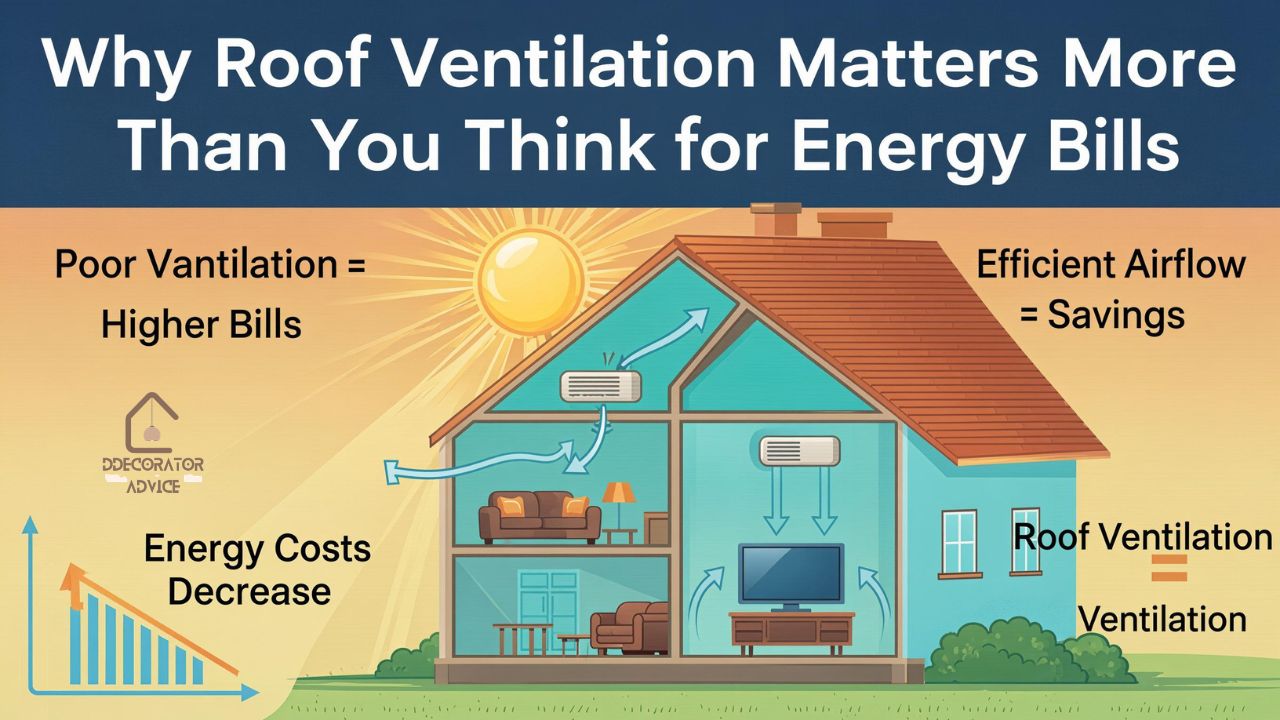
When homeowners think about reducing energy bills, the usual suspects come to mind: upgrading insulation, sealing air leaks, or replacing an old HVAC system. One critical factor is often overlooked—roof and attic ventilation. Proper ventilation plays a huge role in temperature regulation, moisture control, and overall home performance. In many homes, especially in climates with hot summers and cold winters, ventilation can be the hidden difference between a comfortable, efficient house and one that constantly drains energy (and money).
If you’ve ever searched for an Ashland Nebraska roofing company near me, chances are you were thinking about shingles or leaks. But ventilation deserves just as much attention, because what happens in your attic directly affects how hard your heating and cooling system has to work.
How Attic Ventilation Actually Works
At its core, roof ventilation is about airflow. A well-designed system allows fresh, cooler air to enter the attic while pushing hot, moist air out. This movement helps keep attic temperatures closer to outdoor conditions rather than letting heat and moisture build up.
There are two basic components:
- Intake vents, usually placed along the eaves or soffits
- Exhaust vents, installed near or at the roof peak
When these two work together, they create a natural flow of air that stabilizes attic conditions year-round.
Temperature Regulation and Energy Bills
One of the biggest ways ventilation impacts energy efficiency is through temperature control.
Summer Heat Buildup
In summer, an unventilated or poorly ventilated attic can reach temperatures of 140°F (60°C) or more. That heat doesn’t stay trapped above your ceiling—it radiates downward into living spaces. As a result:
- Your air conditioner runs longer and more frequently
- Indoor temperatures fluctuate
- Cooling costs increase significantly
Proper ventilation allows hot air to escape before it builds up, reducing the amount of heat transferred into your home.
Winter Heat Balance
In winter, ventilation is just as important—but for a different reason. Warm air naturally rises from living spaces into the attic. Without proper airflow:
- Heat becomes trapped
- Snow on the roof melts unevenly
- Ice dams can form along the eaves
Good ventilation helps keep the roof surface temperature consistent, which protects both your roof and your heating efficiency.
Reducing HVAC Strain
Your HVAC system is designed to regulate indoor temperatures—not to compensate for attic problems. Poor ventilation forces it to work overtime.
When attic heat builds up in summer, your AC has to remove not only indoor heat but also the excess heat radiating from above. In winter, moisture and uneven temperatures can interfere with insulation performance, making it harder for your heating system to maintain comfort.
Over time, this added strain can lead to:
- Higher maintenance costs
- Shortened equipment lifespan
- Unexpected breakdowns during extreme weather
Simply improving attic ventilation can ease this load and help your HVAC system operate closer to its intended efficiency.
Moisture Buildup: The Silent Energy Killer
Moisture is often the most underestimated problem linked to poor roof ventilation.
Where Does the Moisture Come From?
Everyday activities—cooking, showering, laundry—release moisture into the air. Warm, moist air rises and enters the attic. Without proper ventilation:
- Condensation forms on rafters and roof decking
- Insulation becomes damp and less effective
- Mold and mildew may develop
Wet insulation loses its ability to resist heat transfer, which means your home requires more energy to stay warm in winter and cool in summer.
Long-Term Consequences
Beyond energy efficiency, moisture can lead to structural damage and indoor air quality issues. Ventilation helps remove this moisture before it causes serious problems.
Understanding Common Vent Types
Different ventilation systems serve different roles. The most effective setups usually combine multiple vent types.
Ridge Vents
Ridge vents run along the peak of the roof and act as a continuous exhaust system. Because hot air naturally rises, ridge vents are highly effective at releasing heat and moisture.
Benefits:
- Even airflow across the entire roof
- Low visual impact
- Works well with soffit intake vents
Soffit Vents
Soffit vents are installed under the roof’s overhang and serve as intake vents. They allow cooler outside air to enter the attic.
Benefits:
- Essential for balanced airflow
- Helps push hot air upward toward exhaust vents
- Prevents stagnant air pockets
Other Vent Types
While ridge and soffit vents are the most common combination, some homes also use gable vents or roof vents. The key isn’t the number of vents—it’s balance and proper placement.
Common Ventilation Mistakes That Hurt Efficiency
Even with vents installed, mistakes can undermine their effectiveness.
- Unbalanced systems: Too much exhaust without enough intake (or vice versa) disrupts airflow
- Blocked soffit vents: Insulation pushed too tightly against vents prevents air entry
- Mixing incompatible vent types: Some combinations can short-circuit airflow
- Improper placement: Vents installed too close together don’t create effective circulation
These issues often go unnoticed because they’re hidden in the attic, yet they can significantly increase energy costs.
Ventilation During Roof Replacement or Repair
During a roof replacement or major repair, ventilation should always be evaluated. A roofing contractor typically looks at:
- Existing vent types and placement
- Attic size and roof pitch
- Local climate considerations
- Signs of heat or moisture damage
This is often the best opportunity to correct long-standing ventilation issues, since adjustments are easier when roofing materials are already being replaced.
The Bigger Picture: Home Performance
Roof ventilation isn’t just about your roof—it’s about whole-home performance. When ventilation works correctly:
- Indoor temperatures stay more stable
- Insulation performs as intended
- HVAC systems operate efficiently
- Energy bills remain predictable
Homeowners in areas like Ashland experience both hot summers and cold winters, making balanced attic ventilation especially important for year-round efficiency.
Final Thoughts
Roof ventilation may not be the most visible part of your home, but its impact on energy efficiency is undeniable. From lowering cooling costs in summer to preventing moisture damage in winter, proper ventilation protects your roof, your HVAC system, and your budget.
If energy bills seem higher than they should be, the problem might not be your thermostat or insulation alone—it could be the air trapped just above your ceiling. Understanding and improving roof ventilation is one of the smartest, most overlooked steps toward a more comfortable and energy-efficient home.