
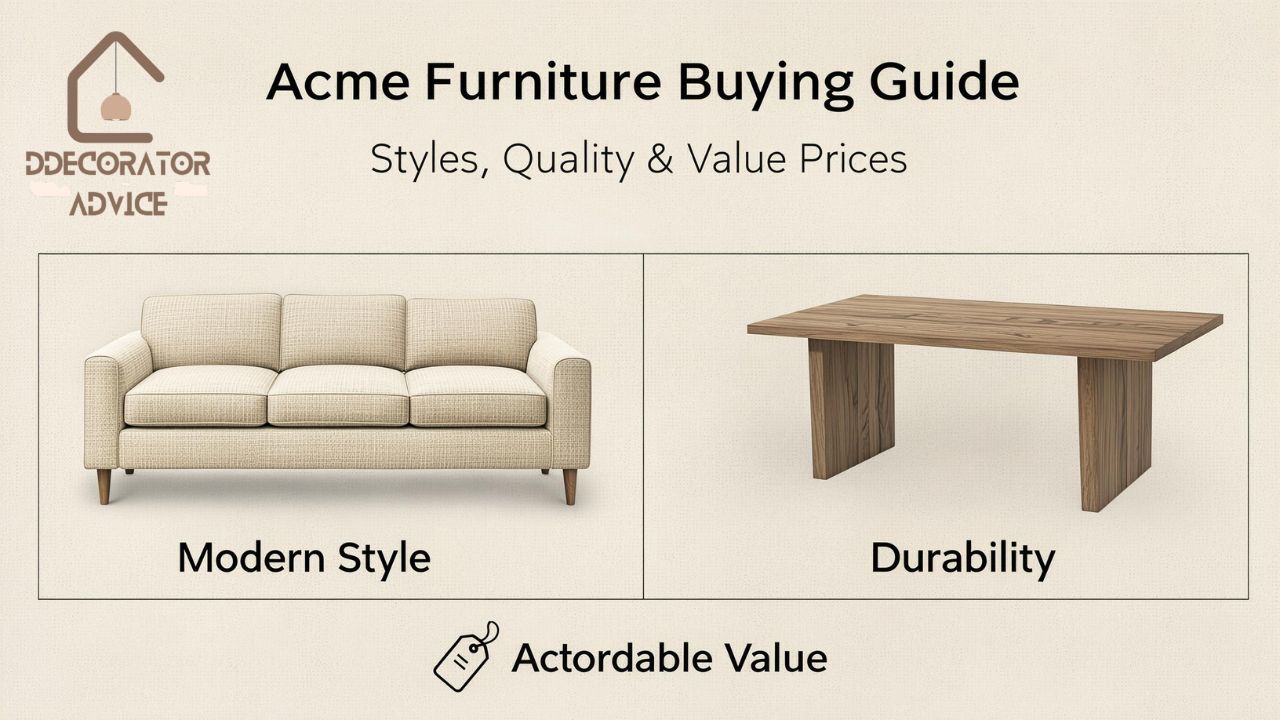
Introduction
Furniture has a way of quietly shaping how we live. The couch you sink into after work, the dining table where conversations stretch late into the night, the bed that decides whether you wake up refreshed or exhausted—all of it matters more than we realize. That’s why acme furniture has become a frequent point of curiosity for homeowners who want style without sacrificing comfort or budget.
In reality, choosing furniture isn’t just about looks. It’s about durability, functionality, price, and how well each piece fits into your everyday routine. Shoppers often ask whether certain brands actually live up to their reputation once the furniture is delivered and used daily.
This guide takes a deep, honest look at acme furniture—its background, design philosophy, quality standards, pricing, and real-world usability—so you can decide with confidence whether it’s the right fit for your home.


Table of Contents
Understanding Acme Furniture as a Brand
Product Categories and Collections
Design Philosophy and Style Range
Material Quality and Craftsmanship
Pricing, Value, and Market Position
How Acme Furniture Compares to Competitors
Buying Tips for First-Time Acme Furniture Shoppers
Care, Maintenance, and Longevity
Personal Background and Brand Growth
FAQs
Conclusion
Understanding Acme Furniture as a Brand
What is Acme Furniture?
Acme Furniture is a well-known furniture manufacturer recognized for offering contemporary and transitional designs at accessible price points. Over the years, the brand has built visibility across North America through online retailers, furniture outlets, and home décor stores.
At its core, acme furniture aims to balance visual appeal with everyday practicality. Instead of chasing luxury exclusivity, the brand focuses on delivering trend-aware furniture that fits real homes and real budgets.
Where Acme Furniture Fits in the Market
In the crowded furniture market, acme furniture occupies a middle ground. It’s positioned above entry-level, disposable furniture but below premium designer brands. This placement attracts:
- First-time homeowners
- Renters upgrading their interiors
- Families seeking durable, stylish pieces
- Buyers who want coordinated collections without custom pricing
That positioning explains why the brand often appears in “best value furniture” discussions rather than ultra-luxury rankings.
Product Categories and Collections
Living Room Furniture
The living room is where acme furniture shines most. Its collections typically include:
- Sofas and sectionals
- Loveseats and recliners
- Coffee tables and end tables
- TV stands and entertainment centers
Many pieces are designed with modular layouts, making them adaptable for both small apartments and larger family rooms.
Bedroom Furniture
Bedroom sets from acme furniture focus on coordinated aesthetics. Common offerings include:
- Platform and panel beds
- Dressers and chests
- Nightstands
- Complete bedroom sets
These collections often emphasize symmetry and clean lines, which makes them easy to style with minimal effort.
Dining Room Furniture
Dining collections usually feature:
- Dining tables in various sizes
- Upholstered and wooden chairs
- Buffets and sideboards
The designs range from modern minimalism to slightly rustic or farmhouse-inspired looks, depending on the collection.
Home Office and Accent Pieces
With remote work becoming more common, acme furniture has expanded into:
- Desks and workstations
- Office chairs
- Bookcases and storage units
- Accent chairs and decorative cabinets
These pieces are designed to blend into home environments rather than look overtly corporate.
Design Philosophy and Style Range
Contemporary Meets Practical
One defining trait of acme furniture is its contemporary design language. You’ll notice:
- Neutral color palettes
- Geometric silhouettes
- Minimal ornamentation
- Subtle textures instead of bold patterns
This approach ensures the furniture doesn’t feel dated quickly, even as trends shift.
Versatility Across Interiors
Another strength is adaptability. Many pieces work equally well in:
- Modern apartments
- Transitional homes
- Minimalist interiors
- Lightly traditional spaces
That versatility makes acme furniture appealing to buyers who don’t want to redecorate every few years.
Material Quality and Craftsmanship
Common Materials Used
Acme furniture typically uses a mix of:
- Solid wood components
- Engineered wood (MDF and plywood)
- Metal frames for support
- Fabric, faux leather, or leather upholstery
This combination helps manage costs while maintaining structural stability.
Build Quality in Everyday Use
In real-world usage, most acme furniture pieces hold up well under normal household conditions. While they may not match heirloom-quality craftsmanship, they are built to withstand daily wear, including:
- Regular seating
- Drawer opening and closing
- Moderate movement and rearrangement
For families with children or pets, this balance of durability and affordability is often appealing.
Pricing, Value, and Market Position
Typical Price Ranges
One of the strongest selling points of acme furniture is price accessibility. On average:
- Sofas range from mid to upper-mid hundreds
- Bedroom sets cost significantly less than custom options
- Dining sets are competitively priced for their size and design
This pricing strategy allows buyers to furnish entire rooms without financial strain.
Value for Money Assessment
Value isn’t just about price—it’s about what you get for what you pay. With acme furniture, buyers often highlight:
- Consistent design across collections
- Acceptable durability for the cost
- Good aesthetic longevity
However, those expecting luxury-grade finishes may find the brand better suited for practical living rather than showcase homes.
How Acme Furniture Compares to Competitors
Against Budget Furniture Brands
Compared to entry-level brands, acme furniture offers:
- Better design consistency
- More substantial materials
- Improved long-term usability
Against Premium Brands
When placed next to high-end brands, the differences become clear:
- Fewer customization options
- Simpler joinery and finishes
- Limited premium material choices
That said, the price gap often justifies these differences for many buyers.
Buying Tips for First-Time Acme Furniture Shoppers
Measure Before You Buy
Acme furniture pieces often look compact online but may feel larger in person. Always:
- Measure room dimensions
- Check door and hallway clearance
- Review product dimensions carefully
Match Collections Thoughtfully
While mixing styles can be fun, acme furniture collections are designed to coordinate. Sticking within a collection often creates a more cohesive look with less effort.
Read User Reviews Carefully
Customer reviews provide insights into:
- Assembly difficulty
- Comfort level
- Long-term durability
These real-life experiences help set accurate expectations.
Care, Maintenance, and Longevity
Daily Care Tips
To extend the life of acme furniture:
- Dust regularly with soft cloths
- Avoid direct sunlight exposure
- Use coasters and placemats
- Clean spills immediately
Long-Term Maintenance
With basic care, most pieces retain their appearance for years. Upholstery may show wear sooner than solid surfaces, but replacement or reupholstering is often possible.
Personal Background and Brand Growth
Brand Origins and Expansion
Acme furniture started as a value-focused manufacturer aiming to bridge the gap between affordability and modern design. Over time, strategic partnerships with retailers helped expand its reach across domestic and international markets.
Business Growth and Market Presence
Today, acme furniture is widely distributed and benefits from economies of scale. While exact financials aren’t publicly disclosed, industry analysts estimate steady multi-million-dollar annual revenues driven by consistent demand in the mid-market segment.
Why the Brand Continues to Grow
The brand’s success comes from understanding its audience: people who want homes that look good without overspending or overthinking design.
FAQs
Frequently Asked Questions About Acme Furniture
Is acme furniture considered good quality?
Acme furniture is generally regarded as solid mid-range quality, offering dependable construction for everyday household use.
Does acme furniture last long?
With proper care, most pieces last several years, making them suitable for long-term residential use.
Is acme furniture real wood?
Many pieces combine solid wood with engineered wood to balance durability and affordability.
Where can I buy acme furniture?
It’s available through online furniture retailers, local furniture stores, and select home décor outlets.
Is acme furniture easy to assemble?
Most items include clear instructions, though some larger pieces may require two people for assembly.
Does acme furniture offer modern designs?
Yes, contemporary and transitional styles are a core strength of the brand.
Is acme furniture good for apartments?
Its space-efficient designs make it particularly suitable for apartments and smaller homes.
How does acme furniture compare in price?
Prices are competitive within the mid-range market, offering good value for coordinated furniture collections.
Conclusion
Furniture choices shape daily comfort more than we often admit. From relaxing evenings to productive mornings, the right pieces quietly support your lifestyle. Acme furniture succeeds by offering practical, visually appealing designs that meet the needs of modern living without stretching budgets unnecessarily.
For buyers who value balance—style without excess, quality without luxury pricing—acme furniture remains a sensible, reliable option worth serious consideration.