
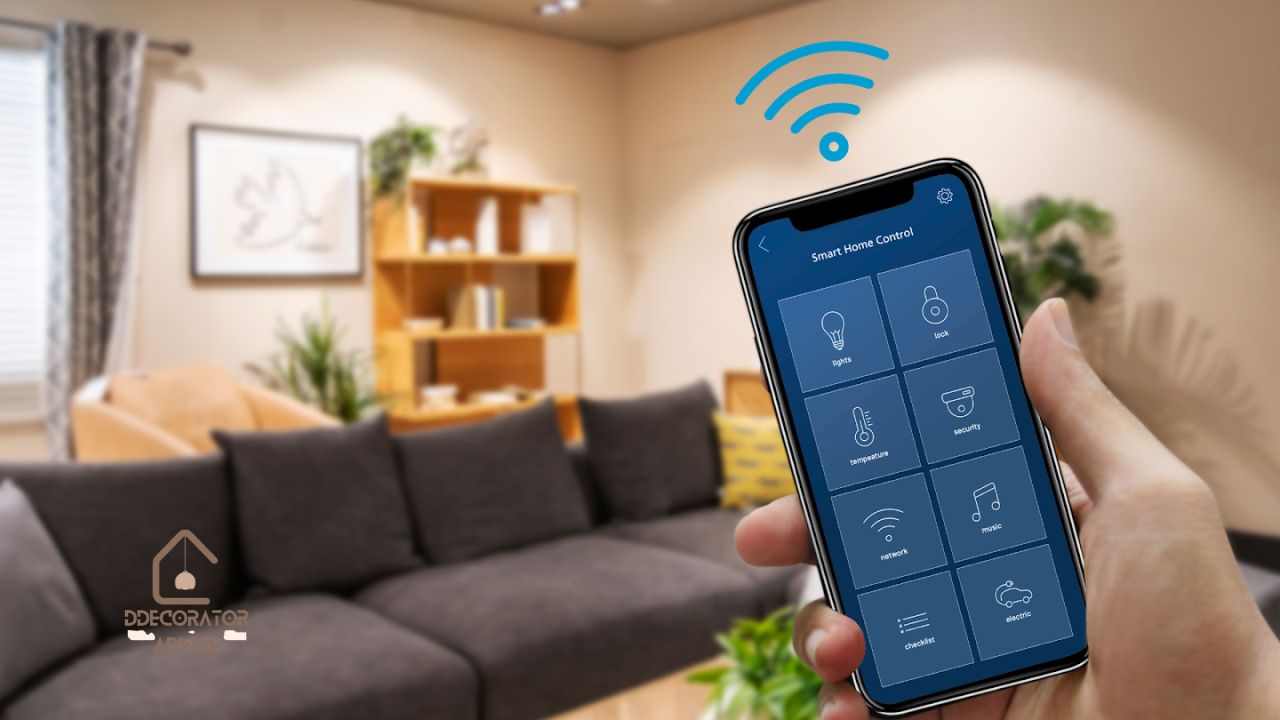
Remember when “smart homes” seemed like something out of a sci-fi movie? Well, those days are long gone. Today, smart home technology is transforming how we live, making our spaces not just more convenient but significantly more sustainable too.
Homeowners are increasingly seeking ways to reduce their carbon footprint without sacrificing comfort or convenience.
The fusion of smart technology with eco-conscious design principles is creating homes that are both cutting-edge and environmentally responsible.
The Evolution of Smart Sustainable Homes
Before diving into the specifics, let’s take a moment to understand how we arrived at this intersection of technology and sustainability in home design.
Early Tech and Sustainability
- Started with simple automation (programmable thermostats) and passive strategies (insulation, solar orientation).
Integration of Tech & Sustainability
- Merged into smart, integrated ecosystems where devices work together for sustainability.
Current Trends
- 69% of U.S. households own smart devices, with energy management growing fastest.
- Consumers value both convenience and environmental benefits.
Key Technologies
- AI-powered thermostats and intelligent solar systems manage energy storage.
Impact
- The combination of smart tech and sustainability is revolutionizing home design, offering solutions greater than the sum of their parts.
Core Benefits of Smart Technology in Eco-Friendly Home Design
Integrating smart technology into sustainable home design creates numerous advantages that extend well beyond simple convenience. Here’s how these systems deliver meaningful environmental and lifestyle benefits.
Enhanced Energy Efficiency and Management
Smart thermostats represent just the beginning of what’s possible with integrated smart technology. These devices learn your preferences and adjust temperatures automatically. The real magic happens when these systems work together, creating a seamless and efficient home environment.
France is a leader in sustainable innovation, with cities like Paris embracing smart technologies for energy efficiency. The country is committed to reducing carbon footprints through eco-friendly building designs and energy management systems.
For international travelers, maintaining control of these systems is crucial. An esim france enables seamless connectivity while abroad, allowing you to monitor and adjust your home’s energy usage no matter where your adventures take you.
Water Conservation Through Smart Systems
Water scarcity concerns make smart water management increasingly valuable. Leak detection systems can identify problems before they cause damage or waste resources. These devices alert homeowners to issues ranging from dripping faucets to major pipe failures, potentially saving thousands of gallons annually.
Waste Reduction and Resource Optimization
Smart appliances contribute significantly to resource conservation. Modern refrigerators can track inventory and suggest recipes based on what’s available, reducing food waste. Smart dishwashers and washing machines optimize water and energy use based on load size and degree of soiling.
These benefits of smart technology extend to overall resource management, creating homes that simply do more with less. When these systems work in concert, the cumulative impact on a home’s environmental footprint is substantial.
As technology continues evolving, the integration capabilities are expanding in exciting ways that further enhance sustainable living. Let’s explore the key components that make these benefits possible.
Key Smart Technology Components for Sustainable Homes
Smart, eco-friendly home technologies are transforming how we manage energy and resources. Intelligent climate control systems use sensors to create microclimates, adjusting for hot or cold spots and optimizing energy use by analyzing occupancy patterns, weather, and sunlight. Zoned systems, paired with efficient HVAC and insulation, help minimize energy waste.
Renewable energy integration includes smart solar panels that adjust to maximize sunlight capture and advanced batteries that store excess energy. These systems predict optimal times to use stored energy or draw from the grid, supporting energy efficiency.
Additionally, smart water management technologies, such as real-time flow monitors, smart water heaters, and rainwater harvesting systems, help reduce waste and reliance on municipal water sources, making homes more sustainable overall.
Comparing Traditional vs Smart Sustainable Homes
| Feature | Traditional Home | Smart Sustainable Home |
| Energy Management | Manual control, fixed schedules | Automated, adaptive, real-time adjustments |
| Annual Energy Consumption | Baseline (100%) | Reduced by 30-50% |
| Water Usage | Fixed irrigation, delayed leak detection | Weather-responsive, immediate leak alerts |
| Maintenance | Reactive, scheduled | Predictive, condition-based |
| Remote Control | Limited or none | Comprehensive, mobile access anywhere |
| Initial Cost | Lower | Higher (20-30% premium) |
| Long-term Operating Costs | Higher | Lower (savings often offset the initial premium) |
| Environmental Impact | Standard carbon footprint | Reduced emissions, smaller ecological footprint |
| Resilience | Vulnerable to outages | Battery backup, load management |
Beyond Efficiency: Additional Benefits of Smart Sustainable Homes
While resource efficiency forms the core value proposition of integrating smart technology into home design, the benefits extend far beyond utility bills. These integrated systems enhance quality of life in numerous ways.
Enhanced Comfort and Wellness Features
Smart homes can actively contribute to occupant health. Intelligent ventilation systems monitor air quality and adjust fresh air intake accordingly. Circadian lighting systems that mimic natural light patterns throughout the day can improve sleep quality and overall well-being.
Temperature and humidity controls maintain optimal conditions automatically, creating spaces that feel naturally comfortable without constant adjustment. The result is a home that proactively supports health rather than merely providing shelter.
Improved Security and Safety Integration
Smart security systems provide peace of mind while contributing to sustainability goals. Motion-sensitive lighting deters intruders while minimizing unnecessary illumination. Advanced smoke and carbon monoxide detectors can identify problems earlier and even shut down HVAC systems to prevent the spread of smoke.
Water leak detection systems prevent both damage and waste by automatically shutting off water supply when problems are detected. These features protect both the home and the environment simultaneously.
As we’ve seen, the integration of smart home technology with sustainable design principles creates homes that are not only environmentally responsible but also more comfortable, convenient, and secure. The future of housing lies at this intersection of cutting-edge technology and environmental consciousness.
Conclusion
While the theoretical benefits of smart, sustainable homes are compelling, real-world applications demonstrate their practical value. Homeowners across diverse climates and lifestyles report significant improvements in both environmental impact and quality of life after implementing integrated smart systems.
Ultimately, integrating smart technology into sustainable home design represents both an environmental imperative and a pathway to more comfortable, convenient living. As these technologies continue evolving and prices decrease, smart sustainable homes will increasingly become the standard rather than the exception.
FAQs
How much can smart technology reduce my home’s energy consumption?
Smart technology can reduce energy use by 25-40% through efficient systems like smart thermostats, lighting, and renewable energy integration, significantly lowering utility bills and environmental impact.
Can I retrofit my existing home with smart, sustainable technology?
Yes, most existing homes can be upgraded with smart systems like thermostats, lighting, and energy monitoring without major renovations, improving efficiency and sustainability with minimal disruption.
What are the long-term financial benefits of smart, sustainable homes?
Though initial costs can be higher, smart sustainable homes typically result in lower long-term operating costs due to energy savings, water conservation, and reduced maintenance needs, offering a solid return on investment.